

The Animal Defense League of Arizona began to focus on wildlife protection late in the 1990’s. Its focus has been on the Arizona Game & Fish Commission (AZGFC) and Department, as they have primary responsibility for all wildlife management decisions in Arizona, except those involving federally protected species and decisions made by land management agencies that affect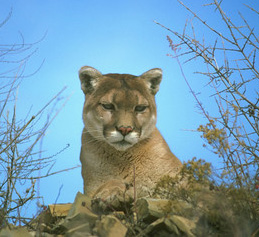 wildlife. ADLA monitors the Arizona Game & Fish Commission and Department and has participated at numerous meetings to advocate for habitat protection, focusing on important focal species. Those are species that protect habitat for many other species when present, and help assure that Arizona’s ecosystems are functioning and resilient. ADLA’s work has primarily focused
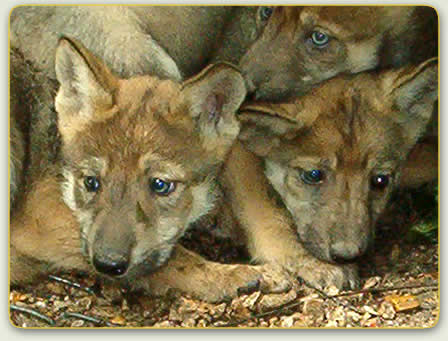
on mountain lions, and reintroduction of endangered species including the Mexican gray wolf and black-tailed prairie dogs. ADLA has testified for protection of the Mexican gray wolf at several US Fish and Wildlife hearings throughout the state.
The primary goals of the wildlife program have been to be recognized as a stakeholder by Arizona Game & Fish in order to represent the interests of wildlife, the animal protection community and the majority of Arizonans who do not hunt and fish; to advocate for the protection of “focal” species- those species upon which other species depend and that are critical to functioning ecosystems; and to advocate for the protection of important habitat. ADLA also reminds Game and Fish that many of their constituents do not hunt and fish. Their interests and the interests of wildlife must be balanced in Game and Fish decision-making.
 In the past there has been at least some balance on the AZGFC, whose membership has at times included wildlife biologists. However, a law passed in 2010 has had a detrimental effect on wildlife management. Up until then Arizona had an appointment process through which applicants would apply directly to the governor’s office. Applicants included men and women with strong conservation backgrounds, some with wildlife biology degrees. All of that changed when, despite opposition from the AZGFC, the Legislature passed a measure (SB 1200) that created a recommendation board controlled by ranchers and elite hunting clubs to appoint candidates to the AZGFC. The law requires that the governor is limited to selecting only “board-endorsed” candidates. Since then, no wildlife biologists or non-hunters have been appointed to the AZGFC, which has become increasingly more industry-friendly, catering to ranchers and trophy hunting groups
 that it considers its primary stakeholders. AZGFC appears to view predators as competition rather than crucial components of healthy ecosystems, which has led to some detrimental rulemaking and policies based on politics rather than the best science. Since then, conservation-minded legislators have attempted to pass bills to repeal SB 1200, but all of those measures have died without being granted committee hearings.
It’s not only the industry-stacked AZGFC that has hurt wildlife. Each year the Arizona Legislature launches its attack on wildlife, especially the endangered Mexican gray wolf. Lawmakers continue to introduce and pass bills aimed at endangered wolves despite the fact that only 97 Mexican gray wolves remain in the wild (the population has decreased from 109 in 2015). These animals are native to Arizona, are an important part of our natural heritage and play an important role in healthy ecosystems. These measures demonstrate that Arizona legislators are largely out of step with the public they represent. Polling shows that 77% of Arizona voters support the Mexican wolf reintroduction. For more information visit Lobos of the Southwest.
Wildlife Coalitions
ADLA is a member of the following wildlife coalitions that work to protect Arizona’s wild animals including endangered species.
Grand Canyon Wolf Recovery Project (GCWRP) is dedicated to bringing back wolves to help restore ecological health in the Grand Canyon region, and works collaboratively with partner organizations to educate and motivate the regional public to support wolf restoration.
MexicanWolves.org is a collaborative effort of concerned citizens and local, regional, and national conservation, scientific and sportsmen’s organizations using the Internet to help save the endangered Mexican gray wolf.
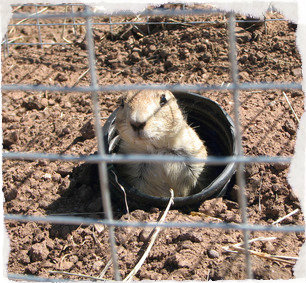
The Prairie Dog Coalition is is an alliance of non-profit organizations, concerned citizens, and scientists dedicated to the protection of imperiled prairie dogs and restoration of their ecosystems. ADLA volunteers have helped Arizona Game & Fish Department biologists on the successful project to reintroduce black-tailed prairie dogs to Southern Arizona after being extirpated 50 years ago. Our volunteers also worked with Habitat Harmony in Flagstaff to relocate and save a colony of 179 prairie dogs from destruction in Flagstaff, and helped relocate prairie dogs away from firing ranges on the Camp Navajo Military B